


Dear Future Client,
Reaching out is one of the hardest steps to take — so if you’re here, I’m really glad you’ve made it this far. Life can feel hard, overwhelming and sometimes just too much to carry alone. Therapy offers a space where you don’t have to have all the answers. It’s a place to pause, breathe, make sense of what you’re experiencing and begin to find a way forward.
I’m Nicola, an accredited senior psychotherapist with years of experience and training. I am so lucky to be doing my dream job and am fuelled by this work every day.
I like to think of therapy as a place to exhale and let it all go. A place where you feel welcome, safe and totally yourself. I am a pretty relaxed clinician who loves spending time talking to people about what matters most in their lives.
Each session with me will be focused on what you most need. As a solution focused and strengths based therapist, my job is to guide you towards accessing all the amazing skills you already possess.
It would be a privilege to be part of your journey. Lets do this!
Take Care and Be Well,
Nicola
Let’s talk experience
I have been working as a psychotherapist for over 20 years. I have a First-Class Master’s degree in Counselling from University College Cork (2004), and began my career working across a range of complex and high-support environments, including a bail and probation hostel, a young offenders’ prison, an immigration removal centre, a Barnardo’s residential school and various mental health and community organisations. Across all of this work, a consistent theme remains: understanding people in the context of their experiences. I am passionate about hearing people’s stories and understanding these shape the way they experience life.
My Approach
Trauma informed
Trauma informed therapy is an approach that recognises how past experiences of trauma can affect your thoughts, feelings, relationships and sense of safety, while creating a compassionate, supportive space for healing.
Solution Focused
Solution focused therapy helps you focus on your strengths & skills, identifies what you want to change and finds practical steps towards creating a more positive future.
Somatic experiencing
Somatic Experiencing is a body focused approach to therapy that helps you notice and work with physical sensations, emotions and responses in the body that may be connected to stress or trauma. Tapping into the body’s innate ability to self regulate.
Three of my mind/body stories

The first:
Moments after the joy of discovering I was pregnant with my first child, I was unexpectedly overwhelmed by fear about giving birth.
To support myself, I enrolled in a hypnobirthing course, where I learned techniques to calm the nervous system, including breathwork practices such as Ujjayi breathing. I practised these daily in the months leading up to my due date, learning how to steady my body and mind when anxiety arose.
My water birth was calm, grounded, and drug-free—and it left me with a lasting appreciation of how powerful breath and body-based regulation can be.
Since then, I’ve remained deeply convinced of the impact of working with the breath as a tool for calming the nervous system and supporting emotional wellbeing.
The second:
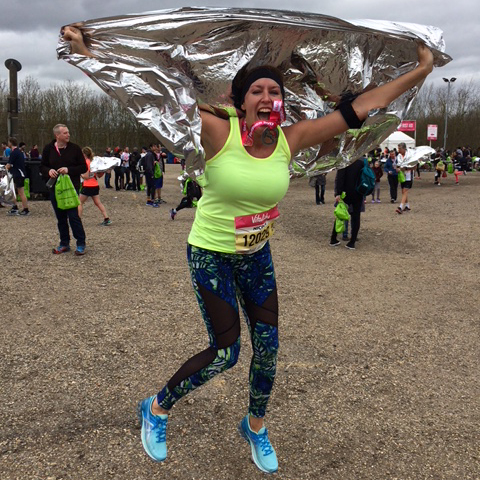
I’ve never considered myself particularly sporty. At school, I found ways to avoid PE and for much of my adult life the idea of getting out of breath and sweaty was enough to put me off exercise completely.
That changed in my 40s. After doing a few 5km Race for Life runs for Cancer Research, a friend invited me to join her for a 10km race. My immediate thought was: I can’t do that. But something shifted. The next time I went running, I added a little extra distance. Then a little more. Within a few weeks, I had reached 10km. Not long after that, I signed up for a half marathon.
What surprised me most wasn’t just what my body could do—but how much of it was mental. Learning to work with my mind was just as important as training my body … possibly more.

The third:
I am a doer, a completer-finisher. I pride myself on saying what I will do. I would never ask somebody to do something that I was not prepared to do myself.
People often say to me “Doesn’t it exhaust you listening to everybody else’s problems?” The truth is, good therapeutic work is grounded in balance. Looking after my own wellbeing isn’t optional—it’s essential. It allows me to stay present, grounded, and effective in the work I do.
I’m committed to lifelong learning and staying curious about people, the mind and what helps us grow. Outside of work, I stay connected through simple but meaningful practices—being in nature, reading, listening to podcasts, outdoor swimming and regularly stepping outside my comfort zone.
I believe life is meant to be fully lived—not just managed. We only get one, and it’s worth engaging, even when it feels uncomfortable or uncertain.

Where to find accredited therapists…